
Why Certified DevOps Engineer (CDE) Matters
In today’s fast-paced tech world, businesses are increasingly focusing on automation, scalability, and efficiency in software development. The Certified DevOps Engineer (CDE) certification provides professionals with the expertise to streamline and automate the deployment pipeline, helping organizations achieve higher performance and reliability. By obtaining this certification, engineers gain the skills to integrate development and operations seamlessly, driving innovation and business success.
What is Certified DevOps Engineer?
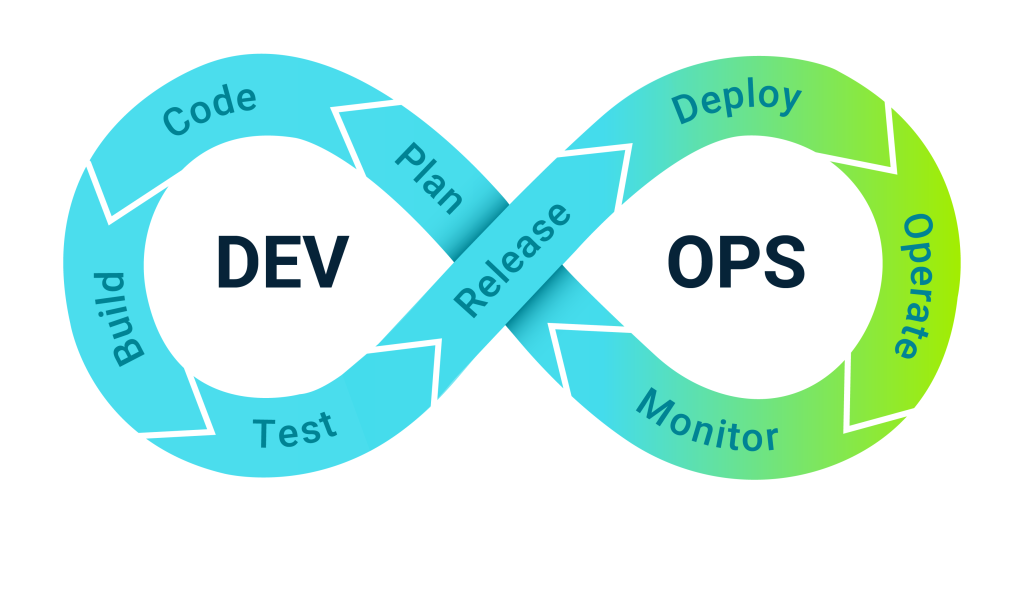
The Certified DevOps Engineer (CDE) certification is a globally recognized credential that showcases your expertise in automating the entire software development lifecycle (SDLC). This includes continuous integration (CI), continuous delivery (CD), infrastructure as code (IaC), and container orchestration. It provides individuals with the critical skills needed to drive innovation and efficiency within an organization’s development and operational workflows.
Who Should Take It?
The Certified DevOps Engineer certification is highly beneficial for:
- DevOps Engineers seeking to validate their knowledge and improve their expertise.
- Software Engineers looking to transition into DevOps roles and expand their skillset.
- Cloud Engineers and Platform Engineers who need to implement DevOps practices within cloud environments.
- Engineering Managers who want to understand the DevOps culture and tools in-depth to better lead their teams.
Skills You’ll Gain
By earning the Certified DevOps Engineer certification, you will gain hands-on expertise in:
- Automation of Infrastructure: Mastering tools like Terraform, Ansible, and Puppet to automate infrastructure provisioning and configuration.
- Continuous Integration & Delivery: Building and managing robust CI/CD pipelines using tools such as Jenkins, GitLab, and CircleCI.
- Cloud Management: Gaining proficiency in managing and scaling cloud platforms like AWS, Azure, or Google Cloud.
- Containerization: Implementing containerization with Docker and orchestrating containers with Kubernetes.
- Monitoring & Logging: Understanding how to monitor applications and infrastructure using tools like Prometheus, Grafana, and ELK Stack.
- Collaboration and Culture: Building collaboration between cross-functional teams, promoting a culture of continuous improvement, and ensuring streamlined delivery pipelines.
Real-World Projects You Should Be Able to Do After It
After completing your CDE certification, you’ll be capable of leading and executing real-world projects like:
- Building CI/CD Pipelines: Establishing end-to-end automation for testing, building, and deploying code.
- Automating Infrastructure Provisioning: Implementing infrastructure as code (IaC) using Terraform and Ansible to automate cloud resources.
- Managing Containers: Deploying, managing, and scaling containerized applications using Docker and Kubernetes.
- Improving System Reliability: Setting up monitoring, alerting, and automated remediation processes to maintain system reliability.
- Cross-Team Collaboration: Promoting best practices for communication and collaboration between development, testing, and operations teams.
Preparation Plan
7–14 Days (Quick Overview)
- Study Focus: High-level understanding of DevOps principles and tools.
- Time Commitment: 1–2 hours daily.
- Recommended Resources: DevOps basics courses, official exam guide.
30 Days (Focused Study)
- Study Focus: Deeper dive into CI/CD pipelines, infrastructure automation, and monitoring.
- Time Commitment: 2–3 hours daily.
- Recommended Resources: Online tutorials, hands-on labs, CDE preparation books.
60 Days (In-Depth Preparation)
- Study Focus: Full mastery of DevOps tools (Jenkins, Docker, Kubernetes, Terraform, etc.) and DevOps workflow.
- Time Commitment: 3–4 hours daily.
- Recommended Resources: Official practice tests, DevOps courses, real-world project experience.
Common Mistakes to Avoid
- Ignoring Hands-On Labs: DevOps is about practical experience—don’t rely solely on theory.
- Skipping Core Concepts: Be sure to understand CI/CD, automation, and cloud basics.
- Rushing the Learning Process: DevOps involves complex systems; take time to understand each component.
- Not Collaborating Enough: DevOps is a culture, not just a toolset. Work closely with other teams to improve your understanding.
Best Next Certification After This
- Same Track: Certified DevOps Architect
- Cross-Track: Certified Kubernetes Administrator (CKA)
- Leadership: Certified DevOps Manager
Choose Your Path
As a Certified DevOps Engineer, you can specialize in various tracks, each offering a tailored learning path:
- DevOps: For professionals focusing on automation, CI/CD, and cloud deployment.
- DevSecOps: For those interested in integrating security practices into DevOps pipelines.
- SRE (Site Reliability Engineering): Focuses on system reliability, scaling, and performance.
- AIOps/MLOps: Blending machine learning with DevOps practices for intelligent automation.
- DataOps: Specializing in managing and automating data workflows in the DevOps pipeline.
- FinOps: Focuses on the financial aspects of cloud cost management within DevOps.
Role → Recommended Certifications Mapping
| Role | Recommended Certifications |
|---|---|
| DevOps Engineer | Certified DevOps Engineer, DevOps Architect |
| SRE (Site Reliability Engineer) | Certified SRE, DevOps Engineer |
| Platform Engineer | DevOps Engineer, Cloud Architect |
| Cloud Engineer | Certified Cloud Security Professional, DevOps Engineer |
| Security Engineer | Certified Ethical Hacker (CEH), Certified DevSecOps Specialist |
| Data Engineer | DataOps Engineer, DevOps Engineer |
| FinOps Practitioner | Certified FinOps Practitioner, DevOps Engineer |
| Engineering Manager | Certified DevOps Manager, Leadership in DevOps |
Top Institutions Offering Training & Certifications for CDE
- DevOpsSchool
DevOpsSchool provides comprehensive training and certifications in DevOps. The training covers everything from CI/CD pipelines to containerization with real-world projects. - Cotocus
Cotocus offers industry-relevant DevOps training with practical applications, helping individuals become experts in CI/CD, cloud infrastructure, and automation. - Scmgalaxy
A well-known platform for DevOps and related certification training, with a focus on practical learning through real-world case studies. - BestDevOps
BestDevOps offers extensive training programs, with a hands-on approach to learning DevOps tools and methodologies. - DevSecOpsSchool
Specializing in DevSecOps, this institution provides training that blends security with DevOps practices, offering a certification for those looking to specialize. - SRESchool
SRESchool offers specific training for Site Reliability Engineers (SRE) with courses on incident management, monitoring, and reliability best practices. - AIOpsSchool
Focuses on AI-driven operations, offering specialized courses on integrating AI and machine learning into DevOps workflows. - DataOpsSchool
For data-centric professionals, DataOpsSchool provides training on automating data pipelines and managing big data operations. - FinOpsSchool
FinOpsSchool helps professionals integrate financial operations with DevOps, providing specialized training in cost management for cloud environments.
FAQs on Certified DevOps Engineer
1. How difficult is the Certified DevOps Engineer exam?
- The exam requires practical knowledge of DevOps tools and principles. With enough hands-on experience and preparation, it’s achievable.
2. How long does it take to prepare for the CDE certification?
- The preparation can range from 30 to 60 days depending on your prior experience.
3. Do I need any prerequisites for the CDE certification?
- A basic understanding of development, IT infrastructure, and cloud platforms is recommended but not mandatory.
4. Can I take the CDE exam without hands-on experience?
- While it’s possible to take the exam, hands-on experience will significantly improve your chances of success.
5. What are the career outcomes after achieving the CDE certification?
- Professionals can expect to advance into higher roles such as DevOps Engineer, SRE, Cloud Engineer, and even management positions in DevOps.
6. Should I pursue the CDE certification or another DevOps-related certification first?
- If you’re just starting out, consider taking an introductory DevOps course before jumping into the CDE certification.
7. What tools should I be proficient in for the CDE exam?
- Tools like Jenkins, Docker, Kubernetes, Terraform, Ansible, and cloud platforms such as AWS and Azure are essential.
8. How does the CDE certification add value to my career?
- It validates your skills in a globally recognized field, increases your earning potential, and opens up numerous job opportunities.
Final Thoughts / Conclusion
The Certified DevOps Engineer (CDE) certification is a crucial step in your career as a DevOps professional. Whether you’re looking to enhance your current skill set or pivot into a new field, this certification helps you gain practical, real-world knowledge of the entire DevOps pipeline. With strong foundational knowledge and hands-on experience in tools like Kubernetes, Jenkins, and Terraform, you’ll be ready to take on the challenges of a modern DevOps environment. By obtaining the CDE certification, you not only improve your career prospects but also contribute to your organization’s growth through efficient automation and scalable operations.
