
This master guide is designed for software engineers, working professionals, and engineering managers who want to lead the next wave of AI integration. As someone who has watched the industry shift from manual deployments to fully automated, self-healing pipelines, I can tell you: MLOps is not just a trend—it is the bedrock of future-proof engineering.
Machine Learning (ML) is easy in a notebook but incredibly hard in production. That is where the MLOps Certified Professional (MLOCP) program comes in. This guide will walk you through everything you need to know to master this domain.
MLOps Certified Professional (MLOCP)
What it is
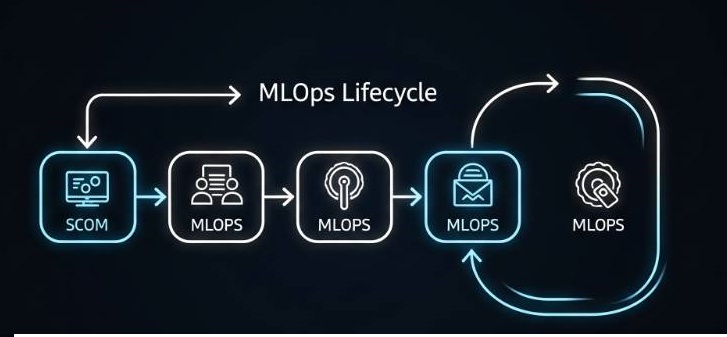
The MLOCP is a comprehensive certification that covers the entire lifecycle of machine learning. Specifically, it focuses on automating the transition of ML models from development to production. Moreover, it emphasizes the use of CI/CD, containerization, and automated monitoring to ensure model health.
Who should take it
- Software Engineers who want to lead AI infrastructure projects.
- DevOps Engineers aiming to manage specialized ML workloads.
- Data Engineers looking to automate data and model pipelines.
- Engineering Managers who need to oversee high-stakes AI-driven teams.
Skills you’ll gain
- Automated Pipelines: Designing CI/CD specifically for machine learning workflows.
- Containerization: Deploying models using Docker and Kubernetes.
- Experiment Tracking: Managing model versions and metadata with tools like MLflow.
- Infrastructure as Code (IaC): Using Terraform to provision scalable ML environments.
- Monitoring & Drift Detection: Tracking data quality and model accuracy in real-time.
Real-world projects you should be able to do after it
- End-to-End ML Pipeline: Create a system that automatically retrains and redeploys a model whenever new data is detected.
- Scalable Model Serving: Build a high-traffic sentiment analysis API that scales dynamically using Kubernetes.
- Automated Monitoring Dashboard: Develop a Grafana dashboard to track “model drift” and trigger alerts when performance drops.
Choose Your Path: 6 Strategic Learning Paths
Before diving into the certification, it is helpful to understand how MLOps fits into the broader ecosystem. Depending on your goals, you might choose one of the following paths:
- DevOps Path: Focuses on core CI/CD, cloud infrastructure, and general automation.
- DevSecOps Path: Prioritizes integrating security into every stage of the pipeline (Shift Left).
- SRE Path: Concentrates on reliability, scalability, and high-availability incident response.
- AIOps/MLOps Path: Automates the AI lifecycle and uses AI to manage complex IT operations.
- DataOps Path: Streamlines data delivery and maintains data quality for analytics.
- FinOps Path: Optimizes cloud costs and ensures financial accountability for infrastructure.
Role → Recommended Certifications Mapping
| If your role is… | You should take… |
| DevOps Engineer | MDE (Master in DevOps), MLOCP |
| SRE | SRECP, AIOCP |
| Platform Engineer | CKA (Kubernetes), Terraform Associate |
| Cloud Engineer | AWS/Azure Architect, MLOCP |
| Security Engineer | DSOCP (DevSecOps), Certified Ethical Hacker |
| Data Engineer | MLOCP, DataOps Professional |
| FinOps Practitioner | FinOps Certified Practitioner, Cloud Digital Leader |
| Engineering Manager | AIOCP, PMP, Agile Leader |
Preparation Plan for MLOCP Success
Your preparation strategy depends largely on your current technical background. As a result, I have broken this down into three distinct timelines.
7–14 Days (The Fast Track)
This path is ideal for those with deep familiarity with Docker and Git. During the first week, you should focus on the MLOCP syllabus, specifically looking at how Jenkins integrates with MLflow. Subsequently, spend the final days taking practice exams to identify any remaining knowledge gaps.
30 Days (The Standard Path)
- Week 1: Master Linux basics and Python for automation.
- Week 2: Learn Docker and Kubernetes for packaging models.
- Week 3: Deep dive into CI/CD for ML (TFX or MLflow).
- Week 4: Build one full project from scratch and review monitoring strategies.
60 Days (The Comprehensive Journey)
For those starting from scratch, the first month should be dedicated to building a strong foundation in DevOps tools like Jenkins and Terraform. Afterward, the second month should focus on advanced MLOps tools like Kubeflow and DVC. Finally, complete three distinct projects to solidify your hands-on experience.
Common Mistakes to Avoid
- Ignoring Data Versioning: Many treat data like static code, which is a mistake; therefore, you must learn to version datasets separately.
- Over-focusing on ML Algorithms: Since this is an “Ops” certification, you should focus more on the pipeline than the internal math of the model.
- Skipping Monitoring: Deployment is only 50% of the job. Consequently, failing to understand post-deployment drift will lead to model failure.
Master Certification Track Table
| Track | Certification | Level | Who it’s for | Prerequisites | Skills Covered | Recommended Order |
| MLOps | MLOCP | Professional | Engineers / Managers | Linux, Python | CI/CD, MLflow, K8s | 1st in MLOps Track |
| DevSecOps | DSOCP | Professional | Security Engineers | DevOps Basics | Vault, SonarQube | After DevOps |
| SRE | SRECP | Expert | SREs / Admins | Admin Experience | SLOs, Error Budgets | After MDE |
| AIOps | AIOCP | Advanced | Architects | MLOps Basics | AI for IT Ops | After MLOCP |
| FinOps | FOCP | Associate | Finance / Leads | Cloud Basics | Cost Optimization | Any time |
Top Institutions for MLOCP Training
Choosing the right institution is vital for your success. To help you decide, here are the top-rated organizations for MLOCP training:
- DevOpsSchool: A pioneer in “Ops” training. They offer 100% hands-on labs and lifetime access to materials. Their mentors have real-world experience.
- Cotocus: Known for their intensive bootcamps and enterprise-grade training programs. They focus on job-ready skills and career support.
- Scmgalaxy: A great resource for community-driven learning and technical blogs. They provide deep-dive tutorials on SCM and MLOps tools.
- BestDevOps: Offers specialized courses for working professionals. Their curriculum is updated regularly to match industry trends.
- AiOpsSchool: Focuses specifically on the intersection of AI and Operations. They are experts in MLOps and AIOps tracks.
- DataOpsSchool: The go-to place for data engineering and DataOps certifications. They help you master data pipelines and quality.
- FinOpsSchool: Specializes in cloud cost management and financial operations. Ideal for managers looking to optimize cloud spend.
Next Certifications to Take
After completing the MLOCP, you should consider expanding your expertise. Based on current industry trends, here are your best three options:
- Same Track (Advanced): AIOps Certified Professional (AIOCP). This allows you to apply your ML knowledge to IT operations themselves.
- Cross-Track (Broaden): DevSecOps Certified Professional (DSOCP). Because security is paramount in AI, this is a very high-demand combination.
- Leadership (Grow): Professional Software Engineering Master (PSEM). This path prepares you for senior architectural and management roles.
Frequently Asked Questions
1. How difficult is the MLOCP exam? It is moderately challenging. If you understand Docker and basic Python, you are 40% there. The rest requires hands-on practice with MLflow and Kubernetes.
2. How long does it take to prepare? For a working engineer, 30 days is the sweet spot. This allows for about 1-2 hours of study on weekdays and 4 hours on weekends.
3. Are there any prerequisites? While not mandatory, a basic understanding of Linux and Python will make your journey much smoother.
4. Can I take MLOCP before a standard DevOps course? Yes, but I recommend knowing the basics of CI/CD first. MLOps is essentially DevOps applied to a specific type of software (ML models).
5. What is the value of this certification in the market? MLOps engineers are currently among the highest-paid professionals in tech. This certificate serves as a “trust signal” for employers.
6. Does the certification expire? Most professional certifications are valid for 2-3 years, as tools change quickly. Check the provider for specific renewal policies.
7. Will this help me become a Data Scientist? No, it helps you become the person who manages the Data Scientist’s output. It is an engineering role, not a research role.
8. Is Kubernetes mandatory for MLOCP? Yes. Modern MLOps relies heavily on orchestration to scale models.
9. What is the difference between AIOps and MLOps? MLOps is about deploying models. AIOps is about using AI to monitor and fix your entire IT infrastructure.
10. Do I need to know deep math? No. You need to know how the models behave, how they are packaged, and how they fail—not necessarily the calculus behind them.
11. Can a manager take this course? Absolutely. It is vital for managers to understand the “production gap” to set realistic timelines for AI projects.
12. Is there a lab requirement for the exam? Yes, the MLOCP emphasizes practical skills, so be prepared to demonstrate your ability to build a pipeline.
MLOCP Specific FAQs
1. What is the primary tool covered in MLOCP? The curriculum focuses on a suite of tools including Jenkins, Docker, Kubernetes, and MLflow.
2. Is MLOCP recognized globally? Yes, DevOpsSchool certifications are recognized by major tech firms across India, the US, and Europe.
3. Does this certification cover Cloud MLOps (like AWS SageMaker)? Yes, the concepts taught are vendor-neutral but often involve practical exercises on major cloud platforms.
4. How does MLOCP impact my salary? Certified MLOps professionals in India and globally often see a 20-40% salary hike compared to standard DevOps roles.
5. Can I get a job guarantee? While no certification guarantees a job, many training partners like DevOpsSchool offer intensive interview preparation and placement assistance.
6. Is the exam online or offline? The exam is typically conducted online through a proctored environment.
7. What is the passing score? Generally, you need at least 70% to pass the certification assessment.
8. Is there support available if I get stuck during preparation? Institutions like Scmgalaxy and DevOpsSchool provide 24/7 technical support and community forums.
Conclusion
The evolution of software engineering has reached a critical tipping point where traditional DevOps is no longer enough to support the weight of Artificial Intelligence. Consequently, the transition from a standard Software Engineer to an MLOps Certified Professional (MLOCP) has become one of the most strategic career moves available today. By mastering this domain, you are effectively bridging the massive gap between experimental data science and high-performance production environments. Throughout this guide, we have explored how MLOps streamlines the model lifecycle, from automated retraining to real-time drift monitoring. Furthermore, we have mapped out the specific learning paths and institutions that can help you reach this goal. It is important to remember that while the tools—such as Kubernetes and MLflow—will continue to evolve, the core principles of reliability, automation, and scalability will remain the bedrock of your career. The tech industry is moving at an unprecedented pace. Therefore, waiting for the “perfect” time to upskill often means falling behind the curve. Whether you are an individual contributor looking for a salary hike or a manager aiming to build a more resilient team, the MLOCP certification provides the verified expertise needed to lead. Take the first step today by choosing your path and starting your first pipeline. The future of engineering is automated, intelligent, and production-ready—and with the right certification, you will be the one leading the charge.
