
Introduction
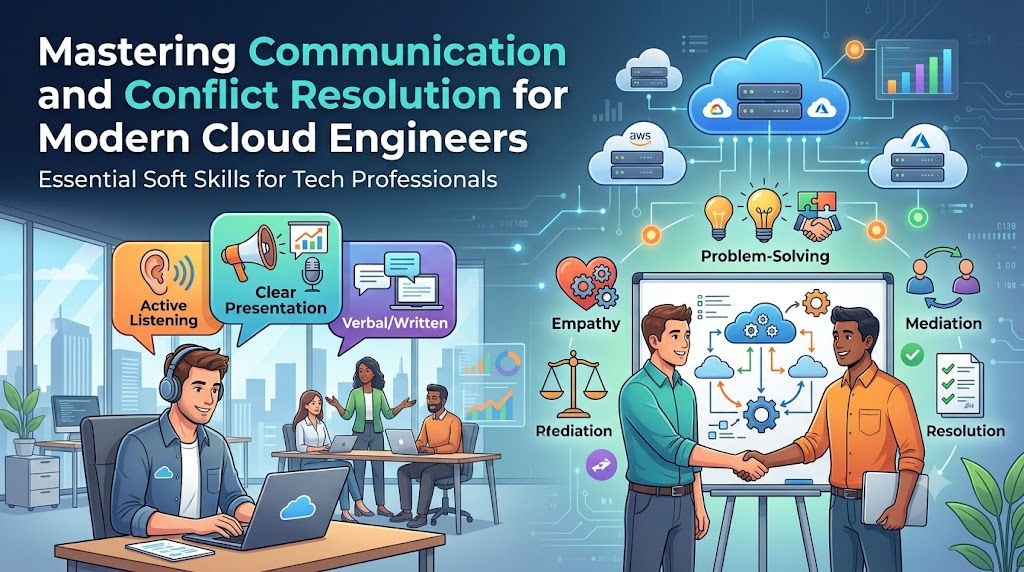
The global software development landscape has undergone a massive transformation as organizations shift away from traditional, siloed methodologies toward agile, automated workflows under the DevOps movement. However, many companies quickly discover that investing millions in automated pipelines and cloud infrastructure does not automatically resolve operational friction or system downtime if code deployments still fail due to departmental miscommunication. True operational excellence requires a fundamental shift in how people interact, communicate, and share responsibility, meaning that while mastery of configuration management and infrastructure as code is mandatory, the success of these technical frameworks relies entirely on human interpersonal capabilities. For engineering professionals looking to advance their careers, mastering this human element is no longer optional, and comprehensive training ecosystems like DevOpsSchool emphasize that sustainable organizational transformation requires balancing deep technical expertise with advanced interpersonal capabilities to drive long-term business value.
What Are Soft Skills?
To understand their value in an engineering environment, it is necessary to establish what these interpersonal capabilities actually represent. In a professional context, technical abilities represent the specific, quantifiable knowledge required to perform a job function. For an engineer, this includes writing clean code, designing cloud architecture, configuring continuous deployment pipelines, and troubleshooting network protocols. These skills are objective, highly measurable, and typically learned through formal education, certifications, and technical documentation.
Interpersonal capabilities, on the other hand, refer to the non-technical traits, behaviors, and social characteristics that dictate how an individual works independently and interacts with others. They govern how a professional manages time, approaches unexpected operational roadblocks, navigates professional disagreements, and communicates complex ideas to non-technical stakeholders.
+-----------------------------------------------------------------+
|                    THE COMPLETE DEVOPS ENGINEER                 |
+-------------------------------+---------------------------------+
| HARD SKILLS (What You Do)      | SOFT SKILLS (How You Interact)  |
+-------------------------------+---------------------------------+
| • Infrastructure as Code      | • Active Listening & Empathy    |
| • CI/CD Pipeline Design       | • Cross-Team Collaboration      |
| • Cloud Architecture (AWS/GCP)| • Crisis Communication          |
| • Container Orchestration     | • Conflict Resolution           |
| • Monitoring & Observability  | • Constructive Feedback Loops   |
+-------------------------------+---------------------------------+
In modern technology teams, both asset types are absolutely necessary, but they serve entirely different operational functions. Technical capability allows an engineer to build a complex, automated deployment pipeline. Interpersonal capability allows that same engineer to convince a skeptical development team to adopt that pipeline without causing organizational friction.
Consider a common enterprise scenario. An infrastructure team designs a highly secure, automated deployment framework that requires developers to modify their local workflow. If the infrastructure team relies solely on technical authority, they may publish a mandatory document and expect immediate compliance. This approach frequently leads to resistance, bypassed checks, and broken trust. Conversely, an engineer possessing strong interpersonal capabilities will conduct open workshops, actively listen to developer frustrations, adapt the framework based on feedback, and explain the long-term benefits in a collaborative manner. The technical solution remains identical, but the human implementation strategy determines whether the project succeeds or fails.
Understanding the Human Side of DevOps
The fundamental core of the DevOps philosophy is cultural integration. The term itself was created to bridge the historically adversarial gap between software developers, who are incentivized to ship features rapidly, and operations engineers, who are incentivized to maintain system stability. When these groups operate in isolation, misaligned priorities create systemic inefficiency.
A true collaborative culture replaces traditional departmental barriers with a model of shared responsibility. Under this model, developers do not simply hand off completed code to an operations team for deployment and maintenance. Instead, both groups participate equally across the entire lifecycle of an application, from initial design and testing to deployment, monitoring, and incident response. This shared ownership minimizes the common tendency to blame other departments when production errors occur.
       TRADITIONAL SILO MODEL                      DEVOPS SHARED MODEL
+-----------------+   +----------------+     +----------------------------+
|   DEVELOPMENT   |   |   OPERATIONS   |     |    DEVELOPMENT & OPS       |
|  (Ships Code)   |   | (Maintains OS) |     |  (Shared Accountability)   |
+--------+--------+   +--------+-------+     +--------------+-------------+
         |                     |                            |
         +----------+----------+                            |
                    |                                       v
                    v                        • Joint Architecture Reviews
          "Over-the-Wall" Handsoff           • Shared On-Call Rotations
          Blame Culture & Friction           • Blameless Post-Mortems
Cross-functional teamwork requires professionals from different technical disciplines to work together on unified goals. A modern deployment squad might include software developers, security analysts, database administrators, and platform engineers. For this diverse group to function effectively, team members must look past their narrow areas of specialization and understand the broader business objectives.
Furthermore, this human-centric environment requires a continuous improvement mindset. This mindset treats mistakes not as instances of individual failure, but as systemic opportunities to optimize processes. When a deployment fails, a team focused on continuous improvement does not seek to punish the engineer who executed the command. Instead, they evaluate the automation barriers, the validation testing suites, and the communication protocols that allowed the error to occur in the first place. Sustaining this level of transparency and psychological safety requires highly refined interpersonal communication.
Why Soft Skills Matter in DevOps Teams
To understand the tangible impact of behavioral traits on technical operations, it helps to analyze how specific interpersonal attributes influence daily engineering tasks and business outcomes.
| Soft Skill | DevOps Impact | Business Benefit |
| Communication | Enhances clarity in documentation, deployment plans, and incident management updates. | Reduces mean time to resolution (MTTR) and minimizes operational misalignments. |
| Teamwork | Eliminates departmental isolation and builds cross-functional project ownership. | Accelerates release velocity and improves overall software quality. |
| Adaptability | Simplifies transitions between various cloud platforms, tools, and shifting goals. | Lowers organizational resistance during complex digital transformations. |
| Problem-Solving | Shifts the focus from immediate symptoms to long-term systemic root causes. | Minimizes repetitive operational failures and stabilizes infrastructure. |
| Leadership | Empowers individual engineers to own systems and mentor colleagues. | Accelerates internal knowledge sharing and lowers employee turnover. |
| Emotional Intelligence | Preserves psychological safety during high-stress system outages. | Enhances team morale and reduces burnout in high-pressure roles. |
Communication
Clear information exchange ensures that complex system changes are understood by all stakeholders before execution. When engineers possess strong communication habits, they write clear deployment plans, create precise architectural diagrams, and update cross-functional partners proactively. This level of clarity prevents accidental configuration overwrites and reduces the time wasted trying to decode vague technical instructions.
Teamwork
Engineering objectives are rarely achieved by a single individual working in isolation. When team members prioritize collective success over personal validation, they participate in peer code reviews more constructively, share operational insights freely, and assist colleagues facing difficult technical challenges. This collaborative approach directly improves team output and eliminates single points of failure within human workflows.
Adaptability
The technology landscape changes rapidly, with new open-source projects, cloud services, and automation frameworks emerging constantly. Engineers who struggle with adaptability often cling to outdated processes or tools simply out of comfort. Flexible team members accept shifting priorities, learn new systems willingly, and view organizational changes as opportunities to refine their professional skill sets.
Problem-Solving
Technical systems fail in unpredictable ways. Effective problem-solving requires looking past the immediate symptoms of an incident to analyze the underlying architecture that permitted the failure. Engineers who combine technical knowledge with structured critical thinking can identify patterns, question underlying assumptions, and design long-term remediation strategies that prevent issues from happening again.
Leadership
Leadership within a flat engineering structure does not require a formal management title. It manifests when an engineer takes full ownership of an unstable system, establishes better automation standards, or guides junior colleagues through complex technical tasks. This organic leadership ensures that team standards continuously elevate without requiring constant top-down supervision.
Emotional Intelligence
High-pressure situations are common in production engineering environments. Emotional intelligence allows professionals to monitor their own stress responses and understand the pressures facing their colleagues. This awareness prevents emotional escalations during critical system outages, ensuring the team remains focused on analytical troubleshooting rather than interpersonal conflict.
Communication: The Foundation of DevOps Success
Clear communication is the primary mechanism that translates technical intent into predictable operational outcomes. Within a modern engineering ecosystem, communication occurs across multiple distinct channels, each requiring specific behavioral habits.
Clear Technical Communication
Engineers must translate complex architectural realities into clear, actionable data for diverse audiences. When discussing an infrastructure update with software developers, an operational engineer should focus on how the change impacts API endpoints, resource limits, and deployment speeds, rather than diving into low-level cloud hypervisor details. Tailoring the message to the audience ensures that technical requirements are understood and adopted correctly.
Incident Communication
When a critical production service fails, communication becomes an essential part of the recovery process. Chaos often spreads when engineering teams fail to provide regular updates, leaving business managers and customer support representatives guessing about the status of a fix.
[System Outage Detected] ──► [Internal SRE Slack Channel] ──► [Bridge Call Initiated]
                                                                     │
  ┌──────────────────────────────────────────────────────────────────┴──────────────────────────────────────────────────────────────────┐
  ▼                                                                                                                                     ▼
  TECHNICAL TIMELINE (SRE/Dev)                                                                                          STAKEHOLDER UPDATES (Product/Support)
  "Investigating database connection pool                                                                               "We are experiencing a database tier degradation.
  exhaustion. Applying patch to raise MaxConnections."                                                                  Recovery estimate is 15 minutes. Next update in 10."
Clear incident communication requires setting up a structured, dedicated channel where updates are shared using predictable templates. This practice keeps stakeholders informed, protects the engineers fixing the issue from constant interruptions, and maintains organizational trust.
Documentation Practices
Writing clear documentation is an essential form of asynchronous communication. Codebases and infrastructure definitions are only as useful as the documentation that accompanies them. High-quality documentation includes clear installation pre-requisites, updated architectural blueprints, realistic configuration examples, and explicit steps for troubleshooting common errors.
Workplace Insight: Well-maintained runbooks directly lower an organization’s mean time to resolution (MTTR). When a critical alert fires at 3:00 AM, a clear, step-by-step troubleshooting guide saves valuable time and minimizes stressful guesswork.
Stakeholder Updates
Engineering progress must be regularly communicated to business leaders who may not understand deep technical details. When updating product managers or executives, successful engineers avoid internal jargon and translate technical work into clear business metrics. For example, instead of explaining that a team spent two weeks “refactoring container definitions and optimizing layer caching,” a communicative engineer explains that the team “reduced deployment execution times by 40%, allowing product features to reach customers faster.”
Collaboration Across Teams
The core objective of a functional DevOps implementation is maintaining a unified operational workflow across diverse organizational units. Each team brings distinct priorities to a project, which can lead to friction if not managed collaboratively.
+----------------------------------------------------------------------------------------------------+
|                                    THE COLLABORATION LANDSCAPE                                     |
+---------------------+-------------------------------------+----------------------------------------+
| Department          | Primary Operational Focus           | Interpersonal Bridging Mechanism       |
+---------------------+-------------------------------------+----------------------------------------+
| Developers          | Rapid feature release velocity.     | Automated testing feedback loops.      |
| Operations Teams    | Continuous system uptime.           | Shared on-call incident accountability. |
| Security Teams      | Risk mitigation and compliance.     | Automated security guardrails (DevSec) |
| Business Units      | Product value and customer growth.  | Value stream mapping transparent data. |
+---------------------+-------------------------------------+----------------------------------------+
Developers and Operations Teams
Historically, developers created code and passed it to operations for deployment. This separation caused regular friction when application bugs impacted system stability. In a collaborative environment, these teams use shared delivery workflows. Developers participate in infrastructure planning, while operations teams build accessible self-service platforms. This cooperative relationship ensures that software designs are built to run reliably within production constraints from day one.
Security Teams
Traditional security reviews often occurred right before a major software release, which could delay deployments if security vulnerabilities were discovered at the last minute. Integrating security into the DevOps workflow—often called DevSecOps—requires proactive collaboration. Security professionals must shift away from acting as strict gatekeepers and instead focus on building automated security guardrails directly into continuous integration pipelines. This allows development squads to verify compliance independently during early coding stages.
Business Stakeholders
Engineering decisions should always align with broader organizational goals. When engineers maintain open lines of communication with product owners and business analysts, they gain a clearer understanding of user needs. This business awareness helps teams prioritize engineering tasks effectively, ensuring they focus on improvements that directly enhance user experience and service reliability rather than just configuring tools for their own sake.
Problem-Solving and Critical Thinking
Resolving complex modern infrastructure issues requires a structured approach that extends beyond immediate technical fixes.
Root Cause Analysis
When an enterprise application fails, restarting the impacted server or container often restores the service temporarily. However, an engineer who relies purely on immediate fixes may ignore the underlying vulnerability, leading to repeated failures. Structured problem-solving involves asking detailed questions to identify the true root cause, such as checking if automated cleanups failed, why disk space filled up unexpectedly, or why log rotation settings were misconfigured. This analytical approach leads to long-term fixes rather than short-term workarounds.
+--------------------------------------------------------------------+
|                    ROOT CAUSE ANALYSIS IN ACTION                   |
+--------------------------------------------------------------------+
| [Symptom]       -> Production Database API returned 500 Errors.    |
| [Immediate Fix] -> Restarted the API Container Instance.            |
|                                                                    |
|  Why? -> Connection pool exhausted to the main database cluster.    |
|  Why? -> Database read-replica fell behind by 45 minutes.          |
|  Why? -> Network throughput throttled on cloud storage volumes.    |
|  Why? -> Disk provisioning configurations missed a recent update.  |
|                                                                    |
| [True Root Cause Solution]                                         |
| Update the Infrastructure-as-Code template to dynamically scale    |
| IOPS based on replica lag metrics.                                 |
+--------------------------------------------------------------------+
Incident Troubleshooting
During high-pressure service outages, unstructured troubleshooting can actually worsen the problem. Engineers need the critical thinking skills to analyze monitoring data systematically, isolate specific variables, and form logical hypotheses. This disciplined methodology prevents teams from making random configuration changes during an outage, which often complicates root cause identification.
Continuous Process Improvement
Problem-solving also applies directly to human workflows and processes. When a team notices that manual database updates regularly cause deployment delays, a collaborative engineer does not simply complain about the slow workflow. Instead, they outline the exact steps where delays occur, present their findings to the team, and help design an automated database migration process that runs safely within the delivery pipeline.
Decision-Making Under Pressure
When core infrastructure components fail, engineers often have to make quick, impactful decisions with incomplete information. For example, they might need to decide whether to roll back a major deployment immediately or attempt a live patch in production. Making these decisions effectively requires assessing risk objectively, understanding the business impact of extended downtime, and aligning with team leadership before changing the system state.
Adaptability in Fast-Changing Environments
Modern technology environments change constantly. To keep up, engineering professionals must stay open to evolving tools, frameworks, and structural methodologies.
       ANTIPATTERN (Rigid Tech Silo)                   DEVOPS STANDARD (Adaptable Core)
┌───────────────────────────────────────────┐   ┌───────────────────────────────────────────┐
│ "I only manage physical Linux servers.    │   │ "I specialize in Linux systems architecture,│
│ I do not write code for cloud APIs        │   │ and I am applying those core principles   │
│ or manage container platforms."           │   │ to learn Kubernetes and Terraform today." │
└───────────────────────────────────────────┘   └───────────────────────────────────────────┘
New Technologies
The tools used to manage infrastructure change rapidly. An engineer who masters a specific configuration tool today may find their organization shifting toward container infrastructure or serverless models tomorrow. Adaptable professionals focus on learning core architectural principles—such as declarative configuration, stateless design, and immutable infrastructure—rather than becoming overly attached to a single tool. This conceptual foundation allows them to learn new software utilities quickly and confidently.
Cloud Adoption and Migration
Moving legacy applications from on-premises data centers to cloud infrastructure requires a major shift in technical thinking. Engineers cannot simply treat cloud environments like traditional physical hardware. Adaptability helps professionals let go of old infrastructure habits and learn modern practices like dynamic scaling, managed services, and ephemerally provisioned infrastructure.
Process Changes
As technology companies scale, their internal management frameworks must evolve as well. A workflow that operates perfectly within a five-person startup will often cause issues inside an enterprise team of two hundred engineers. Adaptable professionals accept these necessary process updates, actively participate in team restructuring, and help optimize delivery workflows to meet changing business demands.
Emotional Intelligence in DevOps Teams
Emotional intelligence is the ability to recognize, understand, and manage your own emotions while accurately reading and responding to the emotional states of those around you. This attribute plays an important role in maintaining stable team dynamics across high-pressure engineering environments.
Self-Awareness
Self-aware engineers recognize their personal stress triggers and understand how their reactions affect team members. For instance, if an engineer knows they get defensive during code reviews after working long hours, they can choose to take a short break before responding to feedback. This self-regulation prevents minor technical disagreements from turning into personal arguments.
Empathy
Empathy involves understanding the unique challenges and constraints facing other departments. When a development squad misses a feature deadline, an empathetic operations engineer looks past the delay to understand the root causes—such as changing product requirements or technical debt. This shared understanding helps teams find collaborative solutions rather than defaulting to frustration.
                     THE EMPATHY EMBEDDED LOOP
   ┌─────────────────────────────────────────────────────────────┐
   ▼                                                             │
[Dev Team Perspective]                                [Ops Team Perspective]
"We are pushed to ship features fast.                 "We are measured on system stability.
Unstable infrastructure makes our                     Untested code deployments threaten
deployments risky and slow."                          our production uptime metrics."
   │                                                             ▲
   └──────────────────► [Empathy Synthesis] ─────────────────────┘
                 "Let us build shared automated
                  canary testing gates together."
Relationship Management
Building strong professional relationships across departments establishes the trust required to execute complex infrastructure changes smoothly. When engineers take the time to answer questions, assist colleagues with troubleshooting, and maintain approachable communication, they build organizational capital. This foundation makes it much easier to coordinate large-scale architectural updates in the future.
Constructive Feedback
Delivering and receiving technical feedback requires sensitivity and professionalism. Instead of using dismissive language during code reviews, an emotionally intelligent engineer frames their feedback around objective architectural standards. For example, instead of writing “this script is inefficient and poorly structured,” they might suggest, “separating this logic into reusable modules will make this automation script easier to test and maintain over time.”
Leadership Without a Management Title
True leadership in an engineering environment is defined by influence, responsibility, and mentorship, rather than formal authority or administrative titles.
              TRADITIONAL AUTHORITY                       DEVOPS INFLUENCE MODEL
          ┌───────────────────────────┐                ┌───────────────────────────┐
          │     Appointed Manager     │                │    Influential Engineer   │
          └─────────────┬─────────────┘                └─────────────┬─────────────┘
                        │                                            │
                        ▼ (Command/Control)                          ▼ (Leads by Example)
          ┌───────────────────────────┐                ┌───────────────────────────┐
          │   Enforces Compliance     │                │   Demonstrates Value      │
          └───────────────────────────┘                └───────────────────────────┘
Technical Leadership
Technical leadership shows when an engineer proactively identifies a systemic flaw in a team’s workflow and safely implements a solution. For example, an engineer might notice that the team manually updates staging servers, leading to configuration drift. By taking the initiative to automate those environments using infrastructure-as-code templates, they demonstrate true technical leadership and elevate team standards.
Ownership Mindset
Engineers with an ownership mindset treat the company’s infrastructure and applications as if they were their own. They don’t ignore alerts just because they aren’t officially on-call, and they don’t leave undocumented workarounds in place for the next person to deal with. This long-term commitment drives them to build clean, observable, and maintainable systems that benefit the entire organization.
Mentorship
Sharing knowledge openly is key to scaling a team’s capabilities. Experienced engineers demonstrate leadership by hosting technical workshops, writing onboarding guides, and pairing with junior colleagues to work through complex architecture. This focused mentorship eliminates knowledge silos, making the entire engineering department more resilient.
Conflict Resolution and Healthy Team Dynamics
In any fast-moving engineering organization, disagreements regarding architectural designs, tool choices, and project priorities are inevitable. The health of a team depends on its ability to resolve these conflicts constructively.
                   CONFLICT RESOLUTION FRAMEWORK
┌─────────────────────────────────────────────────────────────────┐
│ 1. De-escalate Focus        -> Separate personalities from tool │
│                                choice or architecture debate.   │
├─────────────────────────────────────────────────────────────────┤
│ 2. Establish Base Facts     -> Use actual benchmark data, cloud │
│                                cost analyses, and support caps. │
├─────────────────────────────────────────────────────────────────┤
│ 3. Evaluate Business Impact -> Determine which choice improves  │
│                                system uptime or delivery speed. │
├─────────────────────────────────────────────────────────────────┤
│ 4. Build Documented Consent -> Log decisions clearly in architecture│
│                                decision records (ADR).          │
└─────────────────────────────────────────────────────────────────┘
Managing Disagreements
When two engineers disagree on an implementation strategy—such as choosing between two different container orchestration patterns—the discussion should remain focused on objective data. Avoid making personal comments. A constructive resolution process involves listing the pros and cons of each approach, evaluating cloud costs, assessing team skill sets, and running small proofs-of-concept to identify the most practical solution.
Balancing Priorities
Development, operations, and security teams often have competing priorities. Software developers want to push new features live, operations teams want to avoid configuration changes that might risk stability, and security teams want to run exhaustive compliance checks. Resolving these conflicting goals requires finding a balanced compromise, such as establishing clear error budgets. Under this framework, automated deployments continue normally as long as production stability metrics stay within acceptable thresholds.
Handling Deployment Pressures
When a major release misses its delivery window or causes service disruptions, team tension can run high. Resolving these situations successfully requires keeping the team focused on recovery rather than assigning blame. Leaders keep conversations technical and objective, ensuring energy is spent fixing the system rather than point-pointing mistakes.
Soft Skills During Incident Management
When a primary production environment experiences a severe outage, the core strength of an engineering team’s interpersonal communication is put to the test.
       UNMANAGED INCIDENT CHAOS                        STRUCTURED INCIDENT RESPONSE
┌───────────────────────────────────────────┐   ┌───────────────────────────────────────────┐
│ • 12 engineers join a single bridge call. │   │ • Incident Commander controls the room.   │
│ • Everyone types random commands at once. │   │ • Communications Lead updates users.      │
│ • Executives demand instant updates.      │   │ • SREs isolate issues systematically.      │
│ • MTTR increases due to pure confusion.   │   │ • MTTR decreases through clear execution. │
└───────────────────────────────────────────┘   └───────────────────────────────────────────┘
Crisis Communication
During a major infrastructure outage, clear communication roles are essential. High-performing teams assign a dedicated Communications Lead to handle stakeholder notifications, leaving the technical responders free to focus entirely on troubleshooting. All updates follow a predictable format that outlines the current symptoms, the suspected root cause, the ongoing containment efforts, and the expected time for the next update.
Collaboration Under Pressure
When multiple engineers are working together on a high-severity incident bridge, their actions must be carefully coordinated. Instead of executing ad-hoc configuration changes simultaneously, team members communicate intent clearly before modifying production systems. This structured coordination ensures everyone is aware of changes, preventing conflicting updates that could extend downtime.
Post-Incident Reviews
Once a system is fully restored, the incident response process concludes with a blameless post-mortem review. The primary goal of these sessions is to analyze the systemic vulnerabilities that allowed the failure to occur, rather than finding someone to blame.
The review focuses on objective operational facts:
- What monitoring alerts fired first?
- Where did documentation fall short during recovery?
- What automated testing updates are needed to catch this issue in the future?
Maintaining this objective, blameless approach requires high emotional intelligence and absolute transparency across the engineering team.
Customer-Focused Thinking in DevOps
Engineers can occasionally become so focused on managing infrastructure tools that they lose sight of the end users who rely on their software.
       TOOL-CENTRIC APPROACH                         CUSTOMER-CENTRIC APPROACH
┌───────────────────────────────────────────┐   ┌───────────────────────────────────────────┐
│ "I configured a highly complex Kubernetes │   │ "I optimized our container startup times, │
│ cluster with advanced custom controllers  │   │ which dropped page-load latencies by      │
│ simply to use the newest tech stack."     │   │ 200ms and decreased cart abandonment."    │
└───────────────────────────────────────────┘   └───────────────────────────────────────────┘
User Experience
Every configuration setting, server deployment, and database optimization directly affects user experience. An engineer with a customer-focused mindset evaluates how infrastructure architecture choices impact application performance. For instance, they recognize that optimizing global content delivery networks directly reduces page latency for users worldwide, which helps improve overall user satisfaction and retention.
Service Reliability
System downtime is more than just an internal engineering metric; it directly impacts real customers who depend on the software to complete their work. When engineers look at reliability from a user’s perspective, they build more resilient systems. This mindset shifts the focus toward creating robust deployment strategies, reliable database replication, and comprehensive automated test suites to protect users from unexpected disruptions.
Business Outcomes
Engineering decisions should always align with broader business objectives. Tech professionals who understand their company’s business model can make smarter infrastructure investments. Instead of adopting new tools just because they are popular, customer-centric engineers choose technologies that genuinely help lower operational costs, accelerate feature delivery, or improve data security for their users.
Remote Work and Distributed DevOps Teams
The shift toward remote and geographically distributed engineering teams has highlighted the need for strong asynchronous communication and intentional collaboration habits.
     INEFFECTIVE REMOTE WORKFLOW                      EFFECTIVE REMOTE WORKFLOW
┌───────────────────────────────────────────┐   ┌───────────────────────────────────────────┐
│ • Important choices made in private chat. │   │ • Decisions logged in public spaces.      │
│ • No updated documentation exists.        │   │ • Architecture changes tracked in git.    │
│ • Team members feel isolated.             │   │ • Daily standups keep goals aligned.      │
│ • Delivery velocity slows down.           │   │ • Delivery velocity stays consistent.     │
└───────────────────────────────────────────┘   └───────────────────────────────────────────┘
Virtual Collaboration
Distributed teams cannot rely on casual office interactions to keep projects aligned. To stay connected, remote engineers must be highly intentional with their digital workspaces. This means tracking project updates clearly in ticketing tools, discussing technical approaches in open chat channels, and recording video walkthroughs of complex infrastructure changes so teammates can review them at any time.
Cross-Time-Zone Coordination
When engineering teams span multiple continents, handoffs must be handled carefully to prevent project delays. To keep work moving smoothly across time zones, engineers need to practice clear, comprehensive documentation. For example, when an engineer finishes an on-call shift, they write a detailed summary for the incoming team member that outlines current system health, active incidents, and upcoming scheduled maintenance.
How Soft Skills Improve Career Growth
While solid technical skills can help an engineer secure an entry-level position, long-term career growth requires a balance of technical capability and strong interpersonal leadership.
| Career Area | Technical Skills Alone | Technical + Soft Skills |
| Promotions | Restricted to individual contributor tasks; rarely included in strategic decisions. | Frequently selected to lead high-priority projects and expand cross-functional influence. |
| Leadership | Limited to managing specific software tools or infrastructure configurations. | Trusted to lead entire engineering departments and guide organizational strategy. |
| Client Interactions | Experiences communication barriers when talking to non-technical stakeholders. | Translates complex technical issues into clear, value-driven business terms. |
| Team Influence | Struggles to gain support for new tool adoptions or process updates. | Easily builds alignment and guides teams through major technical transitions. |
| Career Progression | Experiences career plateaus once technical mastery is achieved. | Benefits from ongoing career growth into strategic and organizational leadership roles. |
Internal Promotions
As engineers move into senior, staff, and principal roles, their value is measured less by individual output and more by how much they elevate the performance of the entire team. Tech professionals who combine deep technical knowledge with clear communication, mentorship, and project leadership are natural candidates for promotion, as they can successfully guide larger initiatives and collaborate across departments.
Strategic Influence
To successfully implement new engineering standards—like adopting a service mesh or moving to an immutable infrastructure model—you need more than just technical arguments. You need the ability to build consensus. Engineers who understand team motivations, address security and development concerns constructively, and align technical choices with business goals are far more effective at leading large-scale organizational improvements.
Soft Skills Required for Different DevOps Roles
Every position within an engineering organization requires a unique mix of technical focus and interpersonal capabilities to succeed.
   [DevOps Engineer]      ──► Core Skills: Cross-team alignment & empathy.
   [SRE Professional]     ──► Core Skills: Calm crisis management & analytical thinking.
   [Platform Engineer]    ──► Core Skills: Product mindset & user-focused design.
   [Engineering Manager]  ──► Core Skills: Conflict resolution & strategic mentorship.
DevOps Engineer
DevOps engineers sit directly between development and operations teams, making cross-functional communication and empathy their most important interpersonal assets. They need to understand the goals and challenges of both sides to build unified automated pipelines that respect development speed while maintaining operational stability.
Site Reliability Engineer (SRE)
SRE professionals are responsible for keeping high-traffic production environments stable and performant. Because they handle critical incidents under intense pressure, they need exceptional emotional regulation, clear communication skills, and a methodical, data-driven approach to troubleshooting. They must be able to manage high-stress outages calmly while keeping business leaders informed with concise status updates.
Platform Engineer
Platform engineers build and maintain the internal developer platforms (IDP) that development squads use to deploy code. To build effective systems, they need a customer-focused mindset, treating software developers as their primary users. This means conducting internal user research, actively gathering feedback, and designing clean self-service tools that genuinely make developer workflows easier.
Engineering Manager
Engineering managers focus on building balanced, high-performing engineering teams. They rely on advanced conflict resolution, career mentorship, and strategic planning skills to do their jobs effectively. Managers protect team health by resolving interpersonal friction early, preventing burnout, and aligning engineering projects with the company’s long-term business strategy.
Common Soft Skill Challenges in DevOps Teams
Even highly technical engineering teams can experience operational friction if they neglect their interpersonal communication habits.
Identifying Team Pain Points
- Knowledge Silos: When a single engineer is the only one who knows how to manage a critical pipeline or service, the entire organization is exposed to operational risk. Teams can break down these silos by prioritizing paired engineering sessions, encouraging open peer reviews, and making documentation updates a mandatory part of every project definition.
- Resistance to Feedback: If team members take technical feedback personally during code or architecture reviews, collaboration stalls. Organizations can counter this by establishing objective styling and testing guidelines, using automated linting tools to handle basic formatting checks, and encouraging constructive, respectful feedback practices.
        KNOWLEDGE SILO RISK                         SHARED KNOWLEDGE PROTECTION
┌───────────────────────────────────────────┐   ┌───────────────────────────────────────────┐
│ • Only one person can deploy database     │   │ • Cross-training is integrated into loops.│
│   configuration modifications.            │   │ • Architecture records are kept public.   │
│ • Production outages stall if they        │   │ • Automated platforms are accessible to   │
│   are out of office.                      │   │   the entire on-call engineering team.    │
└───────────────────────────────────────────┘   └───────────────────────────────────────────┘
- Conflict Avoidance: When engineers avoid voicing valid technical concerns to preserve a false sense of team harmony, underlying architectural flaws go unaddressed. Healthy teams build a culture of psychological safety where team members feel comfortable questioning design choices and debating technical solutions openly and respectfully based on objective data.
How Organizations Benefit From Strong Soft Skills
Investing in the cultural and interpersonal growth of an engineering department delivers clear, measurable benefits to the broader business.
High Interpersonal Skills ──► Increased Team Trust ──► Blameless Post-Mortems ──► Faster MTTR
Accelerated Delivery Velocity
When development, operations, and security teams maintain open, collaborative relationships, they experience far fewer process delays. Aligned teams spend less time in long coordination meetings and more time shipping high-quality software, allowing the business to deliver new features to customers much faster.
Improved Operational Stability
Teams that practice clear documentation, follow structured incident communication, and conduct honest, blameless post-mortems see a distinct reduction in recurring production issues. By focusing on systemic root causes rather than assigning individual blame, engineers can continuously optimize infrastructure and significantly lower their mean time to resolution (MTTR).
Higher Employee Retention
Engineering departments that prioritize psychological safety, active mentorship, and healthy communication naturally build a more supportive and rewarding work culture. When professionals feel valued, heard, and supported in their career growth, team morale improves, leading to a noticeable drop in turnover rates across the engineering organization.
Real-World Example: High-Performing DevOps Team
To see how technical excellence and strong interpersonal communication work together in practice, let us look at a case study of a major financial technology team handling a critical database upgrade.
Team Dynamics and Operational Context
An enterprise platform team was tasked with migrating a core transaction database to a cloud-native database platform. The project involved migration across multiple microservices owned by different development squads, all while maintaining continuous system uptime to protect the user experience.
                     MIGRATION WORKING PROCESS
  [Platform Team] ──────► Coordinated Architecture & Hosted Open Labs
                                  │
                                  ▼
  [Dev Squads]    ──────► Integrated API Updates & Verified Tests Early
                                  │
                                  ▼
  [Security Unit] ──────► Reviewed Automated Encryption Configurations Live
                                  │
                                  ▼
  [Outcome]       ──────► Zero Production Outages / Successful Clean Delivery
Communication Strategy and Execution
Rather than simply issuing an automated request and expecting immediate compliance, the platform engineers initiated the project by hosting open architectural workshops. During these sessions, they walked through the migration roadmap, explained the long-term performance benefits, and actively listened to the feature delivery constraints facing the development squads. Together, they designed a gradual migration plan that utilized feature flags, allowing teams to verify the new database infrastructure safely and incrementally.
Incident Management and Adaptive Resolution
During the initial rollout phase, an automated data synchronization script encountered an unpredicted edge-case validation error, causing data replication lag to spike. The team responded immediately:
- The on-call engineer quickly acknowledged the alert and updated the public incident channel using a standardized template.
- A dedicated Communications Lead managed stakeholder updates, keeping product managers informed while shielding the engineers from interruptions.
- The platform team collaborated with database administrators to isolate the validation bug, verify a patch in the staging environment, and apply the fix safely to production.
Final Results and Business Value
Thanks to clear, coordinated communication and structured problem-solving, the team resolved the replication issue with zero downtime for end users. The migration was completed successfully, resulting in a 35% improvement in database query performance and a lower monthly cloud spend. The project succeeded because the team prioritized collaborative planning and maintained a blameless, objective approach to troubleshooting throughout the entire lifecycle.
How to Develop Soft Skills as a DevOps Professional
Improving your interpersonal capabilities requires the same dedication and deliberate practice as mastering a new programming language or cloud platform.
                  SKILLS DEVELOPMENT BLUEPRINT
┌─────────────────────────────────────────────────────────────────┐
│ 1. Practice Active Listening  -> Focus entirely on understanding │
│                                  the speaker before preparing a │
│                                  technical counter-argument.    │
├─────────────────────────────────────────────────────────────────┤
│ 2. Refine Technical Writing   -> Use explicit step-by-step code │
│                                  blocks and updated diagrams in │
│                                  all platform runbooks.         │
├─────────────────────────────────────────────────────────────────┤
│ 3. Embrace Peer Mentorship   -> Lead internal training workshops │
│                                  and participate in cross-team  │
│                                  collaborations regularly.      │
└─────────────────────────────────────────────────────────────────┘
Active Listening Practice
When collaborating on an infrastructure design or resolving a technical disagreement, focus entirely on understanding the speaker’s perspective before preparing your response. Avoid interrupting. Ask clarifying questions, such as “It sounds like you’re concerned about how this security configuration will impact local development speeds; is that correct?” This approach ensures everyone feels heard and helps teams uncover potential architectural bottlenecks early.
Technical Writing Discipline
Treat documentation as a core engineering deliverable. When writing runbooks, architecture decision records, or pull request descriptions, aim for complete clarity and precision. Avoid assuming readers have deep background knowledge. Instead, include explicit configuration steps, clear system diagrams, and links to relevant source repositories to make your documentation accessible to any engineer on the team.
Public Presentation Habits
Take opportunities to share knowledge by presenting at team meetings or internal engineering sessions. Practice breaking down complex infrastructure topics—such as how a service mesh handles traffic encryption—into clear, simple terms. Focus on why the technology matters to the business and how it impacts daily workflows. This regular practice builds confidence and sharpens your communication skills.
Training and Learning Opportunities
Cultivating a collaborative engineering culture requires a balanced approach to professional development, combining hands-on technical learning with structured communication frameworks.
[Technical Certifications] + [Interpersonal Workspaces] = [High-Value Architect]
Professional Mentorship Programs
Participating in internal or external mentorship programs is one of the most effective ways to accelerate your professional growth. Working with an experienced engineering leader gives you a safe space to discuss real-world workplace challenges, practice conflict resolution strategies, and learn how to navigate complex organizational dynamics.
Cross-Functional Engineering Initiatives
Volunteering for cross-departmental projects—such as building automated security checks into CI/CD pipelines alongside compliance teams—is an excellent way to expand your collaboration skills. These initiatives challenge you to step outside your comfort zone, understand different team priorities, and find balanced solutions that serve the entire company.
Educational Platforms
Modern learning ecosystems recognize that true engineering excellence requires a blend of technical mastery and cultural leadership. Comprehensive professional training programs, such as the curriculums offered by DevOpsSchool, integrate these core cultural principles directly into their technical training. This balanced approach ensures that as professionals master advanced tools like Kubernetes or Terraform, they also learn the communication, documentation, and team leadership habits needed to drive successful, long-term organizational transformation.
Measuring Soft Skill Improvement
While tracking behavioral growth is less clear-cut than monitoring a system’s CPU utilization, organizations can evaluate interpersonal progress using specific qualitative indicators.
| Skill Area | Measurement Method | Career Impact |
| Communication | Evaluated via peer review clarity scores and readability of system documentation. | Leads to shorter on-boarding timelines for new team members. |
| Collaboration | Monitored through cross-departmental survey feedback on shared goals. | Results in a reduction of delayed cross-team project handoffs. |
| Leadership | Measured by an engineer’s initiative in leading automation improvements. | Encourages greater ownership of core system delivery metrics. |
| Problem-Solving | Tracked by monitoring reductions in recurring production system failures. | Leads to improved long-term infrastructure stability. |
| Conflict Resolution | Evaluated by the speed and health of engineering design alignments. | Helps protect psychological safety across the organization. |
Feedback Analysis
Gathering regular input through multi-directional reviews provides clear insights into an engineer’s collaborative performance. Tracking improvements in how constructively a team member delivers feedback, how clearly they communicate during outages, and how effectively they guide junior engineers helps highlight their growth as a balanced technical leader.
Operational Metric Correlation
Interestingly, a team’s interpersonal growth often reflects directly in their technical performance metrics. When an organization improves its internal communication, prioritizes clear documentation, and maintains a healthy, blameless culture, teams naturally experience a noticeable drop in mean time to resolution (MTTR) and see far fewer deployment failures caused by simple misalignments.
Future of Soft Skills in DevOps
As engineering tools become more automated and sophisticated, the value of human-centric collaboration and communication will only continue to rise.
       AUTOMATED MECHANICS                           HUMAN STRATEGY ENGINE
┌───────────────────────────────────────────┐   ┌───────────────────────────────────────────┐
│ • AI writes boiler-plate terraform code.  │   │ • Humans manage organizational alignment. │
│ • Automated systems track system logs.     │   │ • Leaders design collaborative frameworks.│
│ • Pipelines execute deployment tests.     │   │ • Engineers cultivate team trust loops.   │
└───────────────────────────────────────────┘   └───────────────────────────────────────────┘
The Impact of AI-Assisted Engineering
As generative AI engines and automated coding assistants take over routine tasks like writing boilerplate configuration scripts or generating basic infrastructure templates, the day-to-day role of the engineer will evolve. With automation handling the repetitive mechanics, human professionals will focus on more complex challenges: building cross-team consensus, designing scalable system architectures, and aligning engineering investments with broader business strategies.
The Growth of Platform Engineering
The ongoing shift toward platform engineering underscores the importance of a user-focused mindset. Modern infrastructure teams are moving away from simply managing individual servers and toward building comprehensive, internal developer platforms. This evolution requires engineers to think like product managers—actively gathering user feedback, studying developer workflows, and designing clean, accessible self-service tools that make software delivery seamless.
Human-Centered Technology Culture
As technology companies scale, they increasingly recognize that sustainable innovation relies on the health and trust of their engineering teams. Maintaining a high-performing infrastructure requires a foundational culture of psychological safety, clear communication, and collaborative ownership. Technical professionals who dedicate time to mastering both advanced infrastructure tools and strong interpersonal communication will be exceptionally well-positioned to lead the tech industry forward.
Common Beginner Mistakes
Avoid these frequent pitfalls when building out your personal engineering balance.
- Focusing Only on Tools: Avoid spending all your learning time mastering a long list of trendy software tools while neglecting core engineering principles like systems architecture, automated validation, and clear documentation.
- Ignoring System Documentation: Avoid building complex, custom automated pipelines without writing clear, step-by-step runbooks. Undocumented infrastructure creates operational risk and leads to single points of failure.
- Avoiding Collaborative Teamwork: Avoid working in isolation and ignoring code reviews or architecture alignment sessions. True operational excellence relies on shared ownership and open, cross-functional collaboration.
- Neglecting Constructive Feedback Loops: Avoid getting defensive when colleagues offer technical suggestions during pull request reviews. View constructive feedback as a valuable opportunity to refine your code and learn new patterns.
- Skipping Root Cause Deep Dives: Avoid settling for quick fixes—like simply restarting an unstable service container—without investigating the true systemic root cause to prevent the issue from happening again.
FAQs
1. Why are soft skills important in DevOps?
Interpersonal capabilities are essential because the core mission of DevOps is to unify historically divided teams, like development and operations. While automation tools provide the technical mechanics for deployment, human communication, empathy, and collaborative ownership are what allow teams to align goals, resolve friction, and build highly resilient systems.
2. Which soft skills matter most?
Clear communication, collaborative teamwork, adaptability, structured problem-solving, and emotional intelligence are the most critical attributes. Together, these skills enable engineers to write clear system documentation, stay composed during critical production outages, accept shifting priorities, and build trust across different departments.
3. Can soft skills improve career growth?
Yes. As technical professionals move into senior, staff, or management roles, their value is increasingly measured by how effectively they lead projects and elevate the entire team. Engineers who combine strong technical knowledge with clear communication and natural leadership are far more likely to be selected for high-visibility assignments and strategic promotions.
4. How does communication affect DevOps success?
Clear communication directly impacts primary performance metrics like mean time to resolution (MTTR). When engineering teams maintain clean documentation, follow structured templates during incidents, and share updates proactively, they avoid costly misalignments and resolve production issues far more efficiently.
5. Is leadership important for engineers?
Yes. Leadership within a modern, flat engineering team does not require a formal management title. It shows when an individual takes full ownership of an unstable system, designs a long-term automation fix, shares knowledge through mentorship, or helps build consensus around complex architectural choices.
6. How can I improve collaboration?
You can strengthen your collaboration habits by actively practicing active listening, volunteering for cross-departmental projects, and learning the unique priorities and challenges facing other teams. Building open, supportive relationships across organizational units helps teams find balanced solutions that benefit the entire company.
7. Do remote teams need stronger soft skills?
Yes. Distributed teams cannot rely on casual, in-person office conversations to keep work aligned. Remote engineers must practice explicit, high-quality asynchronous communication. This means writing clear documentation, logging technical decisions in public channels, and providing thorough handoff summaries across time zones.
8. How do soft skills impact incident management?
During high-pressure system outages, strong emotional regulation and clear communication roles prevent chaos. Teams that practice structured coordination can isolate issues systematically without executing conflicting fixes, and they close out incidents with blameless post-mortems that focus on long-term systemic improvement.
9. What is a blameless post-mortem?
A blameless post-mortem is a collaborative review process held after a major incident to analyze why a system failed without assigning individual blame. The goal is to identify systemic improvements—such as adding automated validation checks or updating outdated runbooks—to prevent similar issues from happening again.
10. How do soft skills reduce team burnout?
When engineering departments prioritize psychological safety, active empathy, and healthy conflict resolution, they create a highly supportive work culture. Open communication helps distribute on-call pressures evenly, lowers stress during critical outages, and reduces burnout across the team.
11. Can soft skills be taught?
Yes. Just like technical engineering capabilities, interpersonal habits can be continuously refined through deliberate practice, structured mentorship, public speaking opportunities, and comprehensive professional development programs that integrate cultural collaboration into their core curriculum.
12. How do platform engineers use soft skills?
Platform engineers build internal platforms for other development squads, which means they must treat software developers as their primary users. They rely on active listening, empathetic user research, and clear communication to design clean, effective self-service tools that truly make development workflows smoother.
13. What is an error budget?
An error budget is a collaborative framework that defines the acceptable level of system instability a product can experience over a set period. It balances speed and reliability by allowing rapid feature deployments to continue normally as long as the system remains within its defined stability thresholds.
14. How does AI impact the value of soft skills?
As automated tools and AI coding assistants take over routine technical tasks like generating basic infrastructure templates, human-centric capabilities will become even more valuable. Engineers will spend less time writing boilerplate configurations and more time managing team alignment, designing complex architectures, and guiding business strategy.
15. How does DevOpsSchool teach these skills?
DevOpsSchool blends advanced technical training with core cultural principles. Their learning ecosystem teaches professionals how to use powerful automation utilities while simultaneously instilling the clear communication, precise documentation, and collaborative ownership habits needed to lead real organizational change.
Final Thoughts
Achieving true operational excellence requires balancing deep technical expertise with advanced interpersonal capabilities. While mastering tools like cloud infrastructure, container orchestrators, and continuous integration pipelines is necessary to build modern software, it is the human system—communication, empathy, structured problem-solving, and shared responsibility—that determines whether those systems succeed long-term. Technical skills allow an engineer to configure complex infrastructure, but interpersonal capabilities empower that same engineer to lead cross-functional teams, navigate high-pressure outages calmly, and guide complex digital transformations smoothly. Focusing on your growth as both a technical expert and a collaborative leader makes your work more impactful and builds a highly rewarding, long-term career.

